
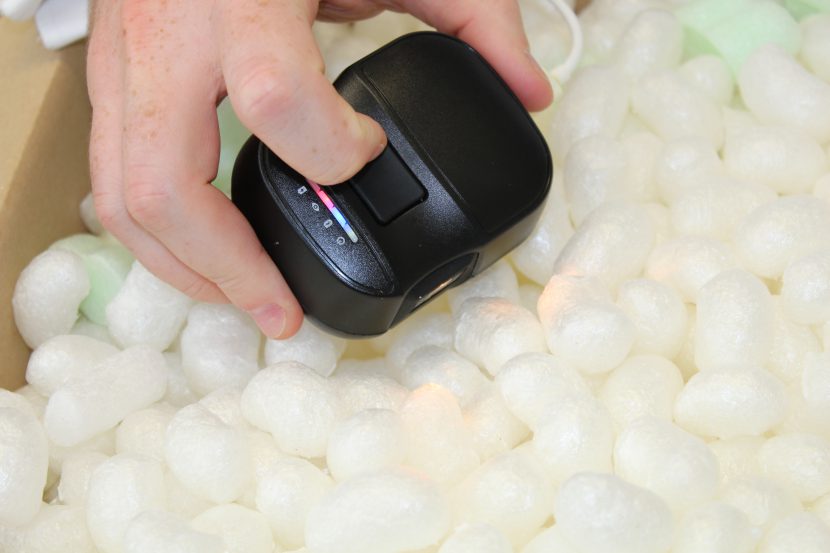
Portable NIR Spectrometers
Portable NIR spectrometers are used for material identification, quantitative analysis, and field-based spectral measurements across industrial, agricultural, environmental, and research applications. Unlike laboratory instruments, portable systems enable measurements directly at the point of inspection, production, sampling, or material handling.
Users typically compare portable NIR systems based on application requirements rather than specifications alone. Material identification workflows, quantitative analysis projects, and OEM integration programs often require different measurement approaches, wavelength ranges, software capabilities, and deployment models.
Portable Feasibility Testing: Portable NIR spectrometers are often the fastest way to determine whether a spectroscopy-based solution is technically feasible.
Instead of immediately investing in laboratory studies, automation projects or hyperspectral systems, measurements can be collected directly from real production materials. Within a short period of time, it becomes possible to evaluate whether sufficient spectral differences exist to distinguish materials, monitor quality attributes or detect process deviations.
This page helps you identify the most suitable portable NIR platform for your application before evaluating specific devices or manufacturers.
Table of Contents
Which Portable NIR System Fits Your Application?
Typical Applications
How to Select a Portable NIR Spectrometer
Selecting a portable NIR spectrometer typically begins with the measurement workflow rather than the hardware specifications.
Measurement Mode
Many portable NIR analyzers can be filtered by measurement mode. Browse available portable NIR spectrometers by measurement configuration.
Reflectance Measurements
Reflectance measurements are the most common approach for portable NIR systems. Light is directed onto the sample surface and reflected energy is analyzed.
This method is widely used for:
- Soil analysis
- Agricultural products
- Plastics identification
- Textile analysis
- Powders and bulk materials
Transmission Measurements
Transmission measurements analyze light passing through a sample. This approach is often used when sample thickness and optical properties allow light penetration.
Typical applications include:
- Liquids
- Thin materials
- Certain food products
- Laboratory workflows
Fiber-Coupled Measurements
Fiber-coupled configurations provide flexibility for accessing difficult measurement locations or integrating spectroscopy into custom systems.
Common uses include:
- Process measurements
- OEM integration
- Research systems
- Instrument development
See also NIR spectrometer with non-contact-reflective measurement mode.
Required Wavelength Range
The required wavelength range depends on the application, target constituents, and analytical workflow. Portable NIR spectrometers are often shortlisted based on wavelength coverage before comparing individual devices.
900–1700 nm
Common in compact portable systems and suitable for many material identification and quantitative applications.
View 900–1700 nm portable NIR spectrometers
1350–2150 nm
Provides access to additional absorption features useful in selected industrial and analytical workflows.
1600–2400 nm
Often selected for applications requiring access to stronger overtone and combination bands in specific materials.
View 1600–2400 nm portable NIR spectrometers
900–2400 nm
Broad wavelength coverage supports maximum analytical flexibility and can be advantageous during method development and research projects.
For a detailed overview, see the spectroscopy wavelength range guide.
Workflow Requirements
Material Identification
If the objective is to determine what material is present, application-focused identification platforms are often the most practical choice.
Quantitative Analysis
If the objective is to measure how much of a component is present, calibration development, chemometrics, and spectral modeling become more important selection criteria.
OEM Integration
If spectroscopy will be embedded into a larger product or analytical system, integration capability often becomes the primary requirement.
Compare Portable NIR Spectrometer Platforms
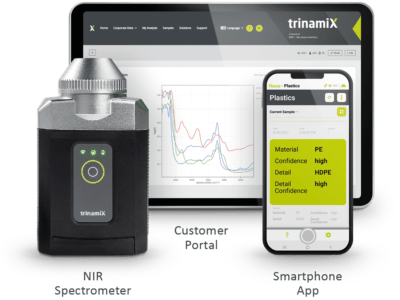
trinamiX
Best suited for:
- Plastics identification
- Textile identification
- Recycling workflows
- Material sorting
- Rapid field classification
trinamiX is primarily positioned as an application-focused material identification platform. The emphasis is on operational workflows that enable users to classify materials efficiently in industrial environments.
Explore the trinamiX platform
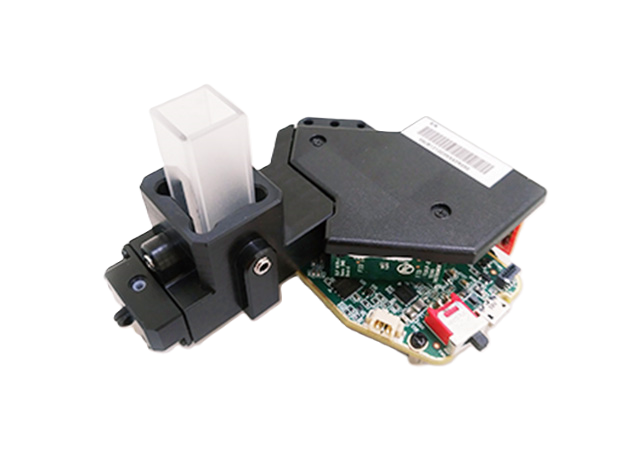
InnoSpectra
Best suited for:
- Soil analysis
- Moisture measurement
- Food analysis
- Chemometric development
- Spectroscopy R&D
- Custom quantitative models
InnoSpectra functions as a flexible spectroscopy platform suitable for organizations that require analytical adaptability. It supports users developing calibration models, conducting research projects, or implementing quantitative NIR workflows across multiple material classes.
Explore InnoSpectra spectrometers.
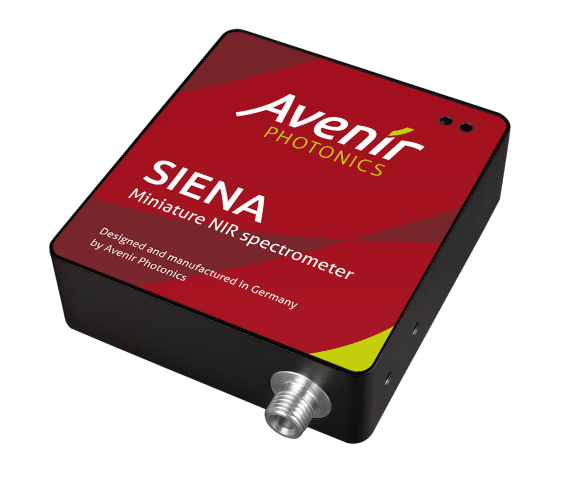
Avenir
Best suited for:
- OEM integration
- Embedded spectroscopy
- Product development
- Instrument design
- Custom sensing systems
Avenir is positioned as an OEM and integration platform for organizations building spectroscopy into larger analytical products, laboratory systems, or industrial sensing solutions.
Explore Avenir spectroscopy solutions.
Start with Your Application
Most portable NIR spectrometer projects begin with a specific measurement objective rather than a preferred manufacturer.
If your focus is agricultural analysis, explore portable NIR soil analysis solutions. → /nir-spectrometer/soil-analysis/
For water-content measurements across industrial and agricultural materials, see our guide on NIR Moisture Measurement: Capabilities, Limitations and Industrial Applications
If you need a flexible platform for calibration development and quantitative analysis, explore InnoSpectra spectrometers.
For wavelength selection and application matching, review the NIR wavelength range guide.
Frequently Asked Questions
What is the difference between a portable NIR spectrometer and a handheld NIR spectrometer?
The terms are often used interchangeably. Handheld systems are a subset of portable NIR spectrometers and are designed for operation directly in the field, production environment, or inspection location.
Which portable NIR spectrometer is best for soil analysis?
The most suitable system depends on the required parameters, calibration strategy, and measurement workflow. Applications involving quantitative analysis and model development generally benefit from flexible spectroscopy platforms.
Can portable NIR spectrometers measure moisture content?
Yes. Moisture measurement is one of the most common industrial applications of portable NIR spectroscopy. Performance depends on the material, calibration quality, wavelength coverage, and sampling procedure.
Do I need a material identification device or a flexible spectroscopy platform?
If the primary goal is rapid classification of known material types, a material identification platform may be the most efficient choice. If calibration development, quantitative analysis, or multiple analytical workflows are required, a flexible spectroscopy platform is typically more appropriate.
When should I consider an OEM NIR spectrometer?
OEM platforms are generally appropriate when spectroscopy must be integrated into a custom instrument, embedded device, laboratory system, or automated sensing solution rather than used as a standalone handheld analyzer.