

On-Site PV Module Material Inspection
with trinamiX Mobile NIR
Solid Scanner provides a rental-based trinamiX Mobile NIR solution for on-site PV module material inspection and material identification. The workflow is designed for PV recycling projects, field inspection campaigns, technical consulting, and module diagnostics where PV backsheet identification and encapsulant identification must be performed without destructive testing.
The system is available for project-based use and is especially suitable when a temporary PV inspection setup is needed instead of purchasing a device immediately.
Why PV Module Material Inspection Matters
PV backsheets and encapsulants influence long-term module performance, electrical safety, degradation behavior, and recycling routes. In many PV inspection projects, the exact material composition is unknown, incomplete, or inconsistent across module batches.
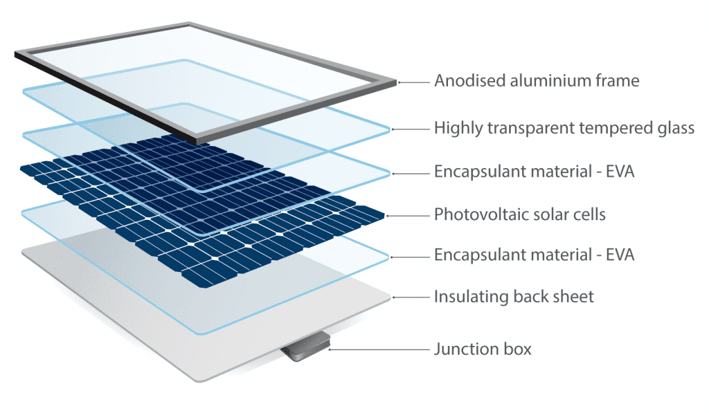
On-site PV module material inspection helps reduce uncertainty before modules are processed, evaluated, repaired, recycled, or documented.
- Unknown backsheet materials can affect degradation assessment, recycling planning, and safety evaluation.
- Encapsulant materials influence module aging, diagnostics, and processing behavior.
- Mixed module batches can complicate PV recycling and inspection workflows.
- Material information is often missing in older, damaged, or undocumented PV assets.
Is this solution relevant for you?
This solution is typically used by organizations that:
✔ recycle PV modules
✔ evaluate PV recycling
✔ inspect large numbers of PV modules
✔ perform technical due diligence
✔ investigate module failures
✔ need temporary on-site material identification
It is not intended for:
✘ general waste recycling
✘ hazardous waste processing
✘ PV installation
✘ laboratory replacement
✘ recycling processing equipment
Typical PV Inspection Use Cases
The solution is most useful when PV module material information is needed for a defined project. It is not positioned as a general laboratory replacement, but as a practical on-site PV inspection and material screening tool for PV specialists.
Who Uses This Solution
The strongest fit is for organizations with a defined PV module inspection task, a clear sample set, and a need for fast material identification outside the laboratory.
- PV recyclers
- PV inspection companies
- Solar asset managers
- Technical consultants
- Test labs and applied research teams
- Companies handling used, damaged, or returned PV modules
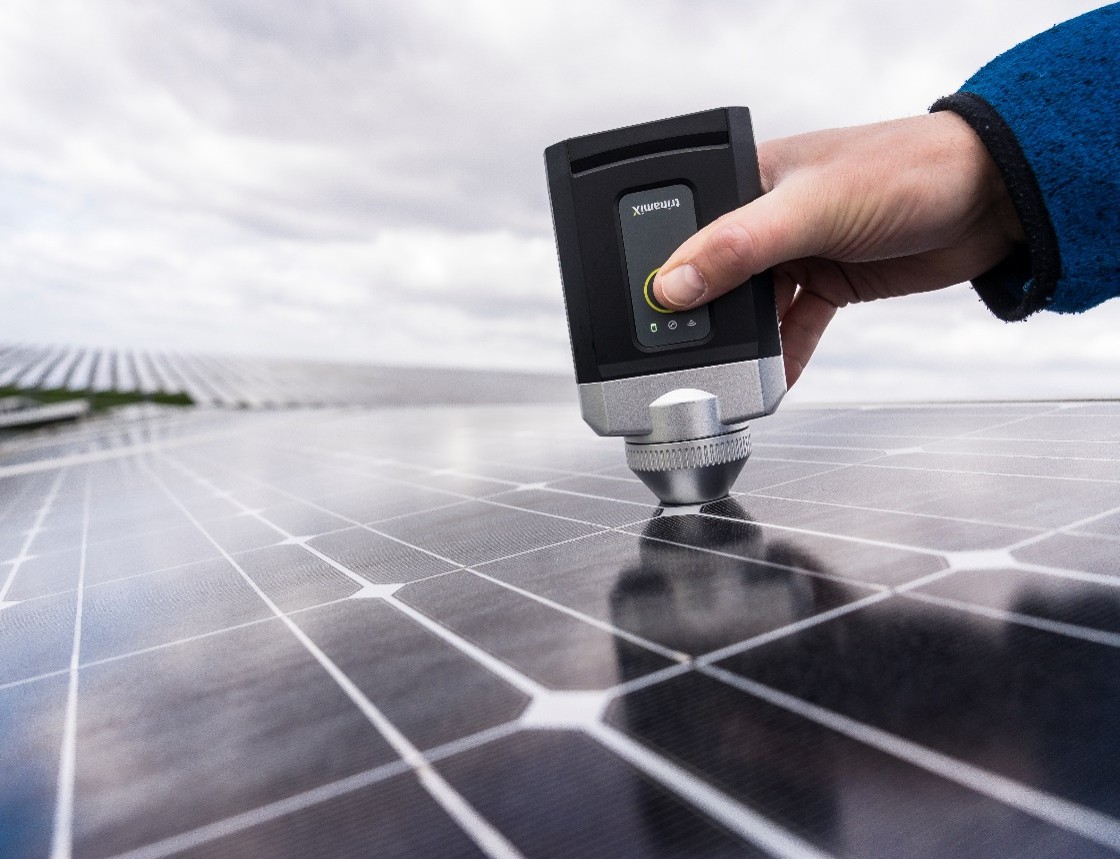
Inspection workflow
The workflow is designed for practical field use. The handheld NIR spectrometer is placed directly on the PV module surface, and results are displayed through the trinamiX application environment.
1. Scan the Front Side
The front-side scan is used to identify and verify encapsulant material classes used within the PV module.
2. Scan the Back Side
The back-side scan is used for PV backsheet identification and verification of backsheet material combinations.
3. Review the Material Result
The result supports PV inspection decisions, batch documentation, recycling preparation, material verification, or further technical review.
4. Decide the Next Step
Depending on the project, the result can be used to group modules, select samples for deeper analysis, support field diagnostics, or prepare recycling decisions.
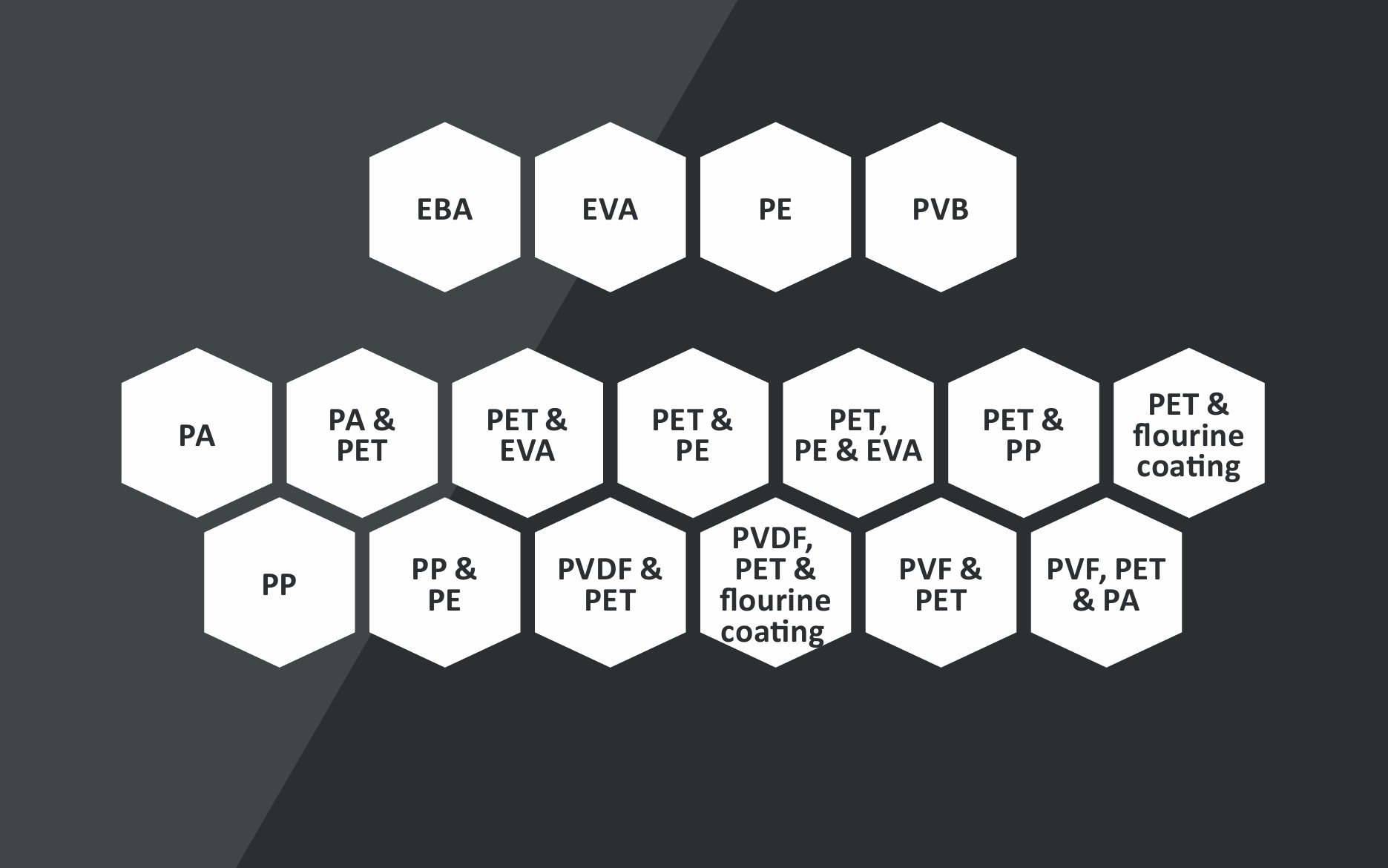
Reliable identification of a variety of encapsulation and backsheet materials.
Interested in full details?
Materials Identified During PV Inspection
The application focuses on PV module encapsulants and backsheets. It can distinguish relevant material classes used in common module constructions and support solar panel material identification projects.
Encapsulation Materials
- EVA
- EBA
- PE
- PVB
Backsheet Materials and Combinations
PV backsheet identification includes several polymer classes and multilayer combinations, including PET-based, PA-based, PP/PE-based, PVDF-based, PVF-based, and fluorine-coated structures.
Rental-Based Deployment
PV module material inspection is often project-based. For many users, renting the system for a defined inspection campaign is more practical than purchasing a device immediately.
- Short-term rental for PV inspection projects
- Suitable for field campaigns, diagnostics, and recycling trials
- Useful for consultants, test labs, and research teams with temporary demand
- Option to evaluate whether the inspection workflow fits before purchase
The rental setup can be discussed based on project size, location, timeline, and expected number of modules.
For recycling-focused projects, see our article on why fluorinated PV backsheets matter for solar panel recycling.
What This Method Can and Cannot Do
Portable NIR inspection is useful for fast on-site PV module material screening, but it has technical boundaries. These limits should be understood before using the result for critical technical or legal decisions.
| Question | Practical answer |
|---|---|
| Can it identify encapsulant materials? | Yes, for supported encapsulation material classes. |
| Can it identify backsheet materials? | Yes, for supported backsheet materials and combinations. |
| Does it require destructive testing? | No. The measurement is performed directly on the module surface. |
| Does it replace laboratory analysis? | No. It is an on-site screening method, not a full laboratory characterization. |
| Does it require access to both sides? | Yes. Front-side and back-side access are required for the intended PV module inspection workflow. |
When a Project Discussion Makes Sense
A project discussion is useful when you already know which PV modules need to be inspected, where they are located, and what decision the material identification result should support.
- You have a defined number of PV modules or module batches.
- You need material information for recycling, diagnostics, asset evaluation, or documentation.
- You want to evaluate a rental setup before purchase.
- You need to know whether your module types are covered by the application.
Related Device Information
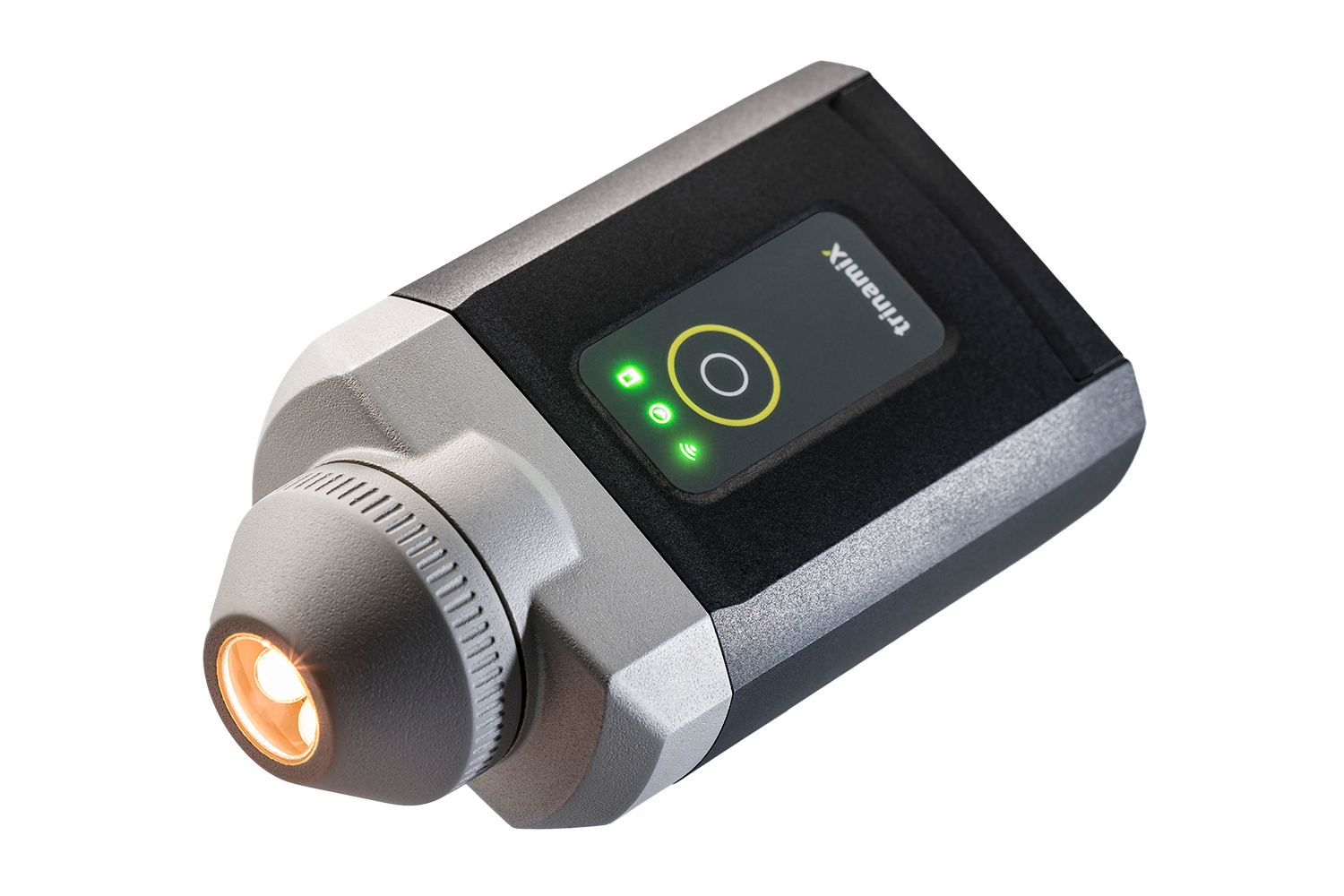
The PV inspection workflow uses the trinamiX PAL One handheld NIR platform. For general device information, modular applications, and commercial setup, see the trinamiX NIR Solutions overview.
For broader material verification workflows outside PV, see Material Verification with Portable NIR.
Discuss Your PV Inspection Project
Use the form to describe your project. The most helpful information is the application context, number of modules, location, timeline, and whether the modules are installed, removed, damaged, or prepared for recycling.
FAQ: PV Module Material Inspection
Can the system identify both encapsulants and backsheets?
Yes. The workflow includes a front-side scan for encapsulant identification and a back-side scan for PV backsheet identification.
Is the PV inspection solution available for rental?
Yes. The solution is especially suitable for project-based rental when the need is temporary or linked to a defined PV inspection campaign.
Does the method damage the PV module?
No. The measurement is non-destructive and performed directly on the module surface.
Who is this solution best suited for?
It is most relevant for PV recyclers, inspection companies, solar asset managers, consultants, test labs, and research teams with defined PV module inspection projects.
Does this replace laboratory analysis?
No. It supports fast on-site PV module material screening. Critical or disputed results may still require laboratory confirmation.